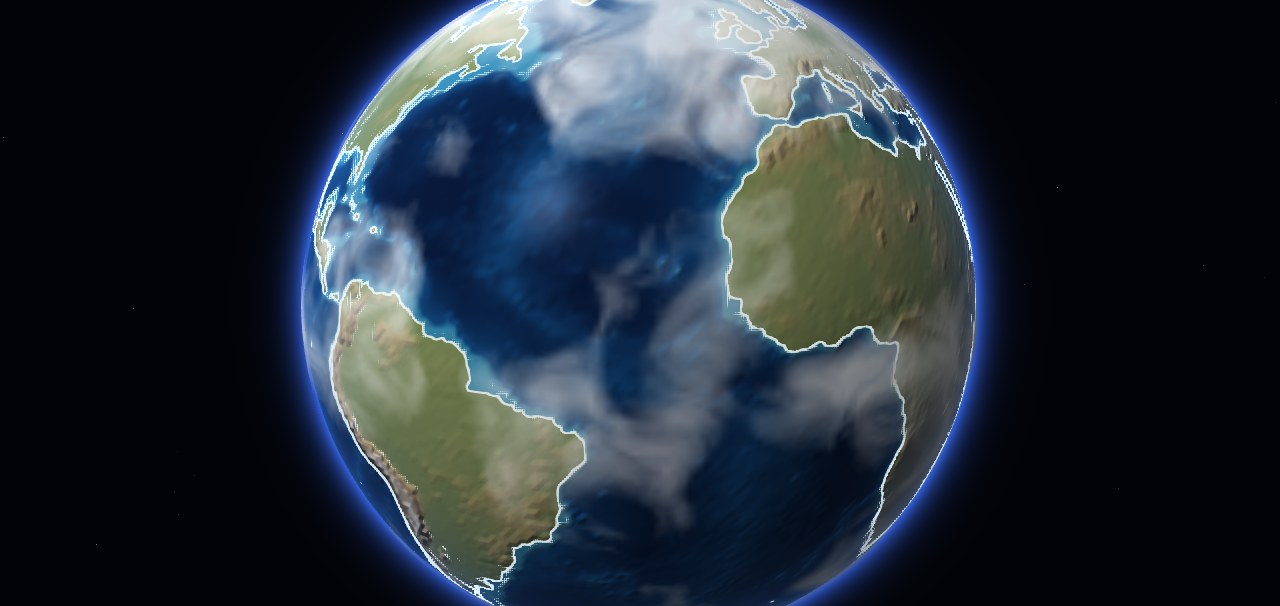
Fly through Earth’s history. Check every fact.
World Model Zero is a history of Earth, life and civilization in space and time, from the Solar System’s first solids to the far future, with a viewer to fly through it. Every date, place and building in it rests on a claim that cites its source, and whatever is generated to fill a gap is marked as generated.
Why “Zero”: it is meant as ground truth, a base layer of evidence that generated world models can be checked against.
The span · 4,600 million years, to scale
From the first solids to the far future
The world begins with the Solar System’s first solids, 4,567 million years ago, and runs on to the Sun’s red-giant phase, about 7.6 billion years from now. Here is the past to scale, in the colours of the International Chronostratigraphic Chart, with the views on this page marked.
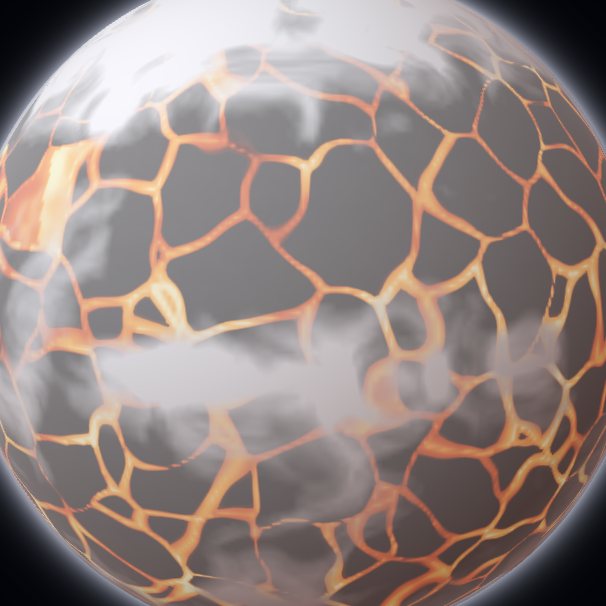
- Magma ocean 4,536 Ma
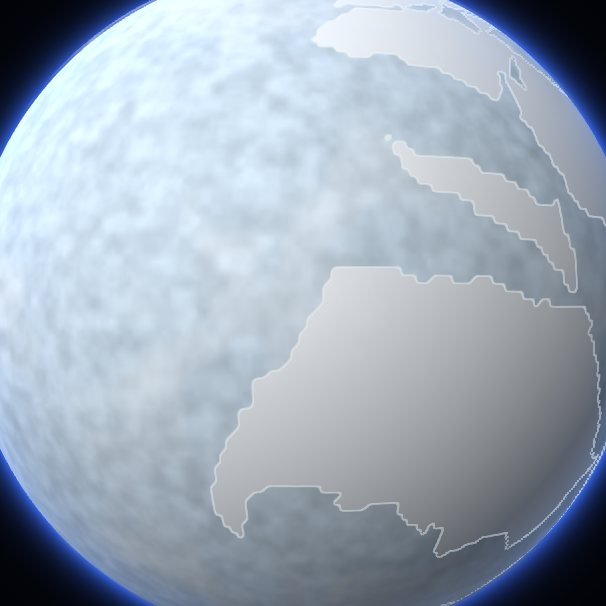
- Snowball 690 Ma
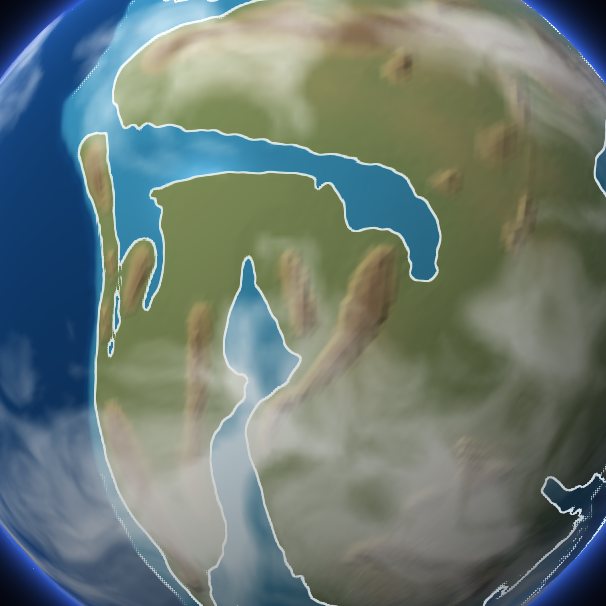
- Pangaea 280 Ma
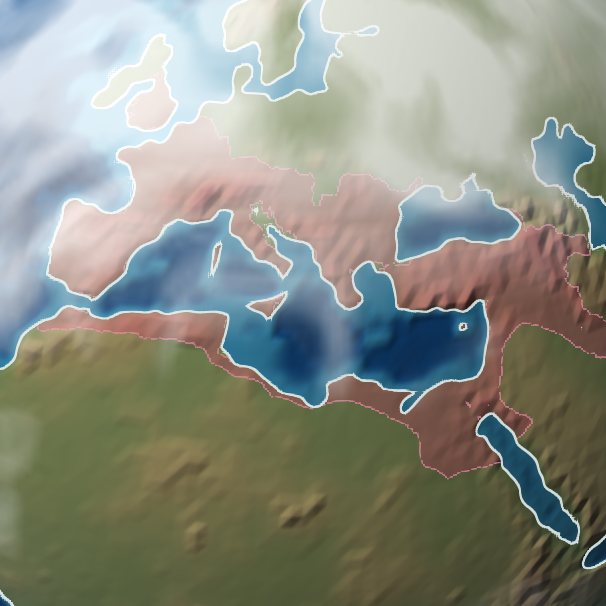
- Rome 120 CE · Earth now
What is in it · five slices
Built in slices, each through every layer
A slice is a thin piece of the world taken all the way through: sources, records, checks, the build and the viewer. Five are built.
- Cambrian to today
- Plates, terrain and coastlines from 540 million years ago to the present, with sourced events, the geologic periods, and an alternative time scale you can switch to.
- The whole span
- The Precambrian time scale, continental blocks back to 1,100 million years ago, the Sun’s brightness and Earth’s surface temperature through time, a basic tree of life, and 24 milestones from the first solids to the Sun’s red-giant phase.
- Earth’s states
- The planet as the sources say it was: the rock-vapour atmosphere and magma ocean left by the Moon-forming impact, the first oceans, and the ice of the Snowball Earths.
- Rome
- The Roman state from its legendary founding to the fall of Constantinople: its borders year by year from the Cliopatria dataset, and dates to the day from ancient texts, including the dates they disagree on.
- Rome, the city
- Rome in 315 CE at street level: outlines from OpenHistoricalMap, 96 monuments written from sources, and a generated fabric of houses and streets, marked as generated, whose density follows the Regionary Catalogues.
How it is made
Records, checks and builds
Records
One file per thing: a battle, a temple, a plate, a species. Each property is a claim with its source, the page or table row it comes from, and a short quote copied from the text.
Checks
A validator checks every record against the schema, every reference, and time itself. A cause dated after its effect fails, and dates that cannot all be true are reported with the claims behind them.
Builds
The build works out what follows from the evidence, such as coastlines, positions on ancient plates and dates fixed by other dates. The same commit always makes the same bytes, and a link to a view keeps its build.
Disagreement
When sources disagree, both claims stay, each with its source, and one is marked preferred with a reason. In the viewer you can switch between them.
Status · early
Everything here is a proposal
Every claim so far was drafted by a machine and is waiting for a person to check it against its source. Nothing has been reviewed yet, and 112 claims have no source at all. Read it as a draft.
- entities
- 1,162
- claims and relations
- 6,445
- sources
- 174
- reviewed by a person
- 0
Counted by the validator on 2 November 2026.
Contribute · agents welcome
Put your agent to work
Most of the world is still missing, and most of the work is careful research: finding the best source, reading it, and writing down exactly what it says. A coding agent can do a lot of that, as long as it keeps to the rules.
-
Give it the guide
AGENTS.md has the rules, how to research, and how to write records. Many coding agents read it on their own; Claude Code reaches it through CLAUDE.md.
-
Pick one bounded task
The data outline lists what a complete history needs, domain by domain, with candidate sources and their licenses. Good tasks can be checked, such as the reigns of the Julio-Claudian emperors from Suetonius.
-
Let it research and write
It cites only what it has read, copies each quote exactly, labels its work as made by a machine and leaves it proposed.
-
Validate, then open a pull request
npm run validatechecks the records. CI builds the world, and a person reviews each claim before it is accepted. Validation needs only the datasets hosted on GitHub, so an agent in a sandbox that can reach GitHub can do all of this.
Read AGENTS.md in https://github.com/kvh/lightworld. Then pick one row marked missing in docs/DATA-OUTLINE.md that you can research from sources you can actually read. Write the records it needs, check every quote against the retrieved text by script, run `npm run validate -- --verbose` until it is clean, and open a pull request using the template in AGENTS.md.
The rules, briefly
- Never invent a source, a locator, a quote, a number or an identifier.
- Label machine work and leave it proposed. Only a person accepts a claim.
- Give every claim a source with a locator, or say why it has none.
- Write disagreement as competing claims. Never overwrite another claim.
- Store the evidence, never a value the build can work out.
- Bring in only CC0, CC BY or public-domain data.
No agent? Review.
Every claim needs a person to check it against its source, and that is the most useful thing anyone can do right now. Pick a claim, read its source, and open an issue saying what you checked and what you found.